Foods to Avoid on Acne Medication: What the Labels Say
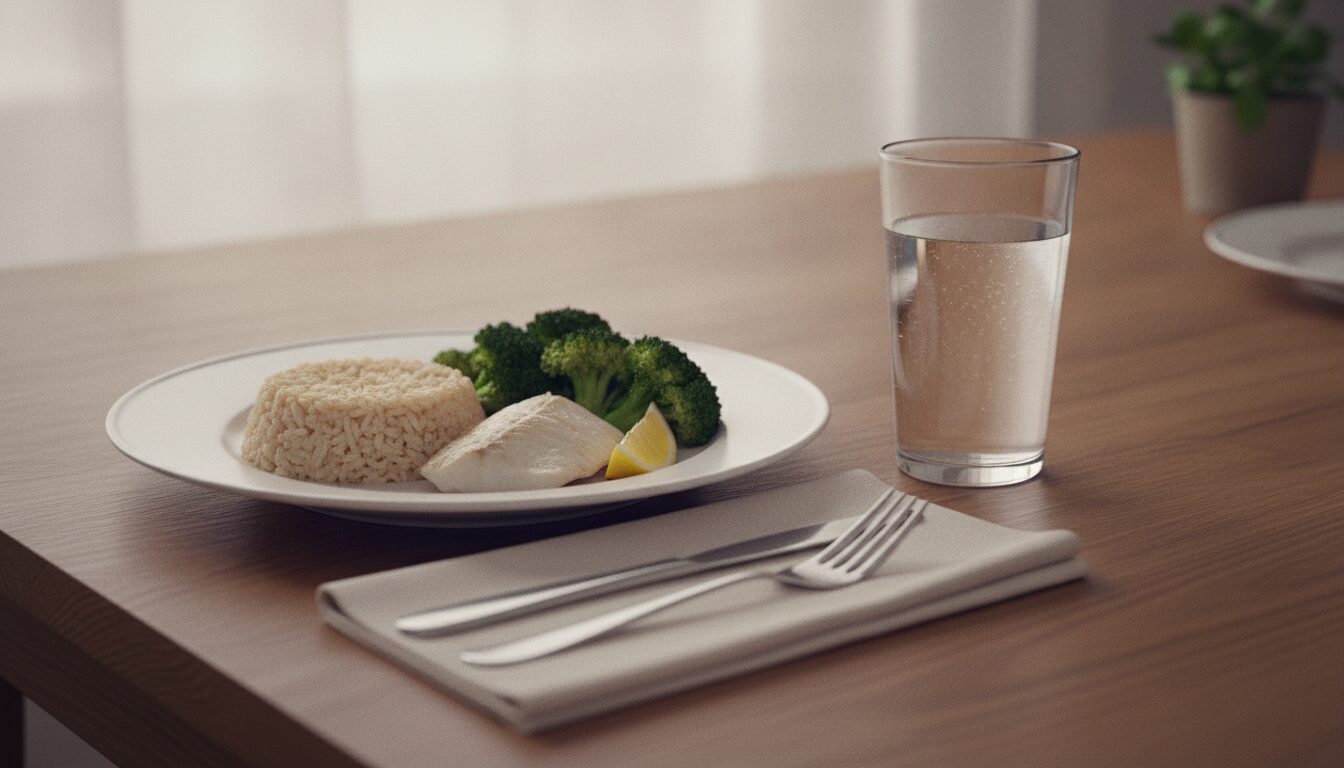
Quick answer: The foods that matter most depend on which medicine you take. The Accutane® label says it should be administered with a meal, and that patients should be advised against taking vitamin supplements containing vitamin A. The Doryx MPC label says absorption is impaired by antacids containing aluminum, calcium or magnesium, bismuth subsalicylate, and iron-containing preparations. It also says absorption is reduced with foods, especially those that contain calcium. For women taking spironolactone, MedlinePlus says to avoid potassium-containing salt substitutes. MedlinePlus tells isotretinoin patients and doxycycline patients to continue their normal diet unless their doctor tells them otherwise.
Most online lists mix two different things: real drug and food interactions, and general research on diet and acne. This page keeps them apart and cites FDA labels, the American Academy of Dermatology (AAD), MedlinePlus and PubMed for the medicine and diet claims.
Which acne medicines have food rules, and which do not?
The rules differ by medicine, so there is no single list that fits everyone. Here is the short version, and each item gets a section below.
- Isotretinoin (Accutane®): the label says it should be administered with a meal, and that patients should be advised against taking vitamin supplements containing vitamin A. MedlinePlus says to tell your doctor if you drink or have ever drunk large amounts of alcohol.
- Doxycycline: MedlinePlus says to drink a full glass of water with each dose, and to separate antacids, calcium supplements, laxatives that contain magnesium, and iron products from the dose.
- Spironolactone (women only): MedlinePlus says to avoid potassium-containing salt substitutes and to talk with your doctor about the amount of potassium-rich foods you may have in your diet.
The AAD says dermatologists have been prescribing spironolactone for many years to treat acne in women. It also says spironolactone isn’t prescribed to treat acne in men because of side effects, so men can skip that section.
What should you eat, avoid or ask about on isotretinoin?
Start with the one food rule the label states plainly. The Accutane® label says it should be administered with a meal, and that failure to take it with food will significantly decrease absorption. The Medication Guide says to take it 2 times a day with a meal unless your doctor tells you otherwise.
The Accutane® label also reports a study in 74 healthy adults who took a single 80 mg dose under fasted and fed conditions. Peak blood levels and total exposure were more than doubled after a standardized high-fat meal compared with the fasted dose. That is a pharmacology result, not a diet plan, so follow your prescriber’s instructions about what a meal means for you.
Do vitamin A supplements matter on isotretinoin?
Vitamin A supplements do matter on this medicine. The label says patients should be advised against taking vitamin supplements containing vitamin A, to avoid additive toxic effects. The Medication Guide says vitamin A in high doses has many of the same side effects as Accutane®. The AAD’s isotretinoin page lists vitamin A supplements first among the products to avoid, because isotretinoin is derived from vitamin A. Check multivitamin labels and tell your prescriber about every supplement you use.
Can you drink alcohol on isotretinoin?
The label has no sentence that says whether patients may drink. It does mention alcohol in its lipid section. There, it says some patients have been able to reverse triglyceride elevation by reduction in weight, restriction of dietary fat and alcohol, and reduction in dose while continuing Accutane®. The label also says that after consumption of alcohol, at least 36 hours should elapse before these blood lipid determinations are made. MedlinePlus asks you to tell your doctor if you drink or have ever drunk large amounts of alcohol. Our article on Accutane® and alcohol covers a related question.
Is there a list of other foods to avoid on isotretinoin?
We didn’t find one in the label, the Medication Guide, MedlinePlus or the AAD pages we read. MedlinePlus says to continue your normal diet unless your doctor tells you otherwise. The Accutane® Medication Guide says the common, less serious side effects are dry skin, chapped lips, dry eyes, and dry nose that may lead to nosebleeds. Our guides to Accutane® side effects and skin care on acne medication cover a related topic.
One drug warning belongs on this page even though it isn’t a food. The Accutane® label says use has been associated with a number of cases of pseudotumor cerebri, some involving tetracyclines, and that concomitant treatment with tetracyclines should therefore be avoided. Doxycycline is a tetracycline, and the Doryx MPC label likewise says to avoid concomitant use of isotretinoin and Doryx MPC.
What should you avoid or space out on doxycycline?
Doxycycline has specific timing rules in its label and in MedlinePlus. The Doryx MPC label says absorption of tetracyclines, including Doryx MPC, is impaired by antacids containing aluminum, calcium or magnesium, bismuth subsalicylate, and iron-containing preparations. Its patient counseling section adds that absorption is reduced when tetracyclines are taken with foods, especially those that contain calcium.
Can you eat dairy on doxycycline?
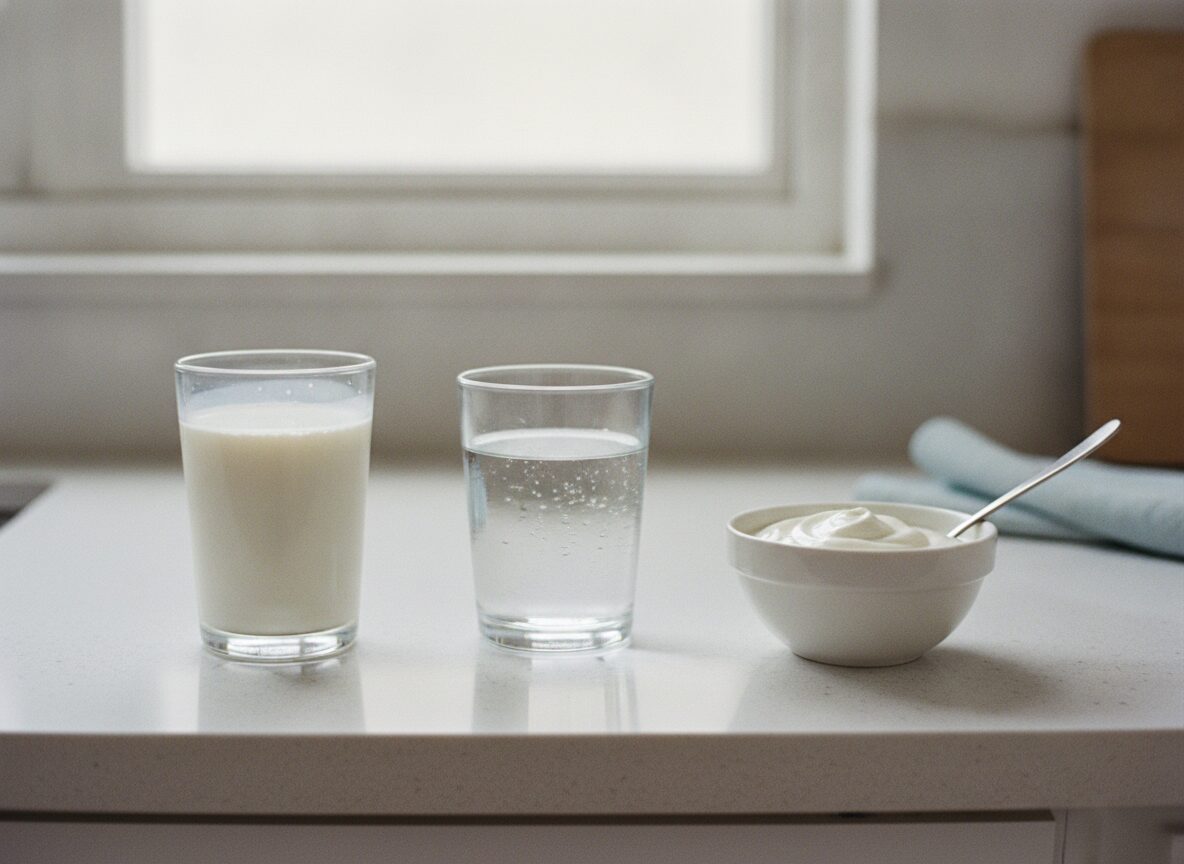
The sources give a mixed picture, so ask your pharmacist about your exact product. The label’s counseling points say absorption is reduced when tetracyclines are taken with foods, especially those that contain calcium. The same label also says that if gastric irritation occurs, Doryx MPC may be given with food or milk. MedlinePlus says the same about food or milk when your stomach gets upset.
We found no source that gives a number of hours to wait after dairy. Some online lists state one, but a number without a source isn’t something we’ll pass along. The practical step is to ask your prescriber or pharmacist which approach fits your product.
How do you take doxycycline with supplements and antacids?
For antacids, calcium supplements and laxatives that contain magnesium, MedlinePlus says to separate them from doxycycline but leaves out the unit, so ask your pharmacist how to time them. For iron preparations and vitamin products that contain iron, it says to take them 3 hours before or 2 hours after doxycycline.
What about water and bedtime doses?
MedlinePlus says to drink a full glass of water with each dose. The Doryx MPC label says to administer it with an adequate amount of fluid to reduce the risk of esophageal irritation and ulceration. It reports esophagitis and esophageal ulcerations with tetracycline-class drugs, and says most of these patients took medications immediately before going to bed.
Does alcohol matter when you take doxycycline?
The MedlinePlus doxycycline page we read has no alcohol instruction, and neither does the Doryx MPC label text we searched. Our separate article on drinking alcohol on doxycycline covers a related question. Our doxycycline for acne and doxycycline side effects guides cover a related topic.
What should you avoid on spironolactone?
This section is for women only. The AAD says dermatologists have prescribed spironolactone for many years to treat acne in women, and that it isn’t prescribed for acne in men.
The main food concern is potassium. The Aldactone label says spironolactone can cause hyperkalemia, and that the risk is increased by potassium supplementation or potassium-containing salt substitutes. Acne isn’t among that label’s listed uses, so spironolactone for acne is off-label, and your prescriber sets the plan.
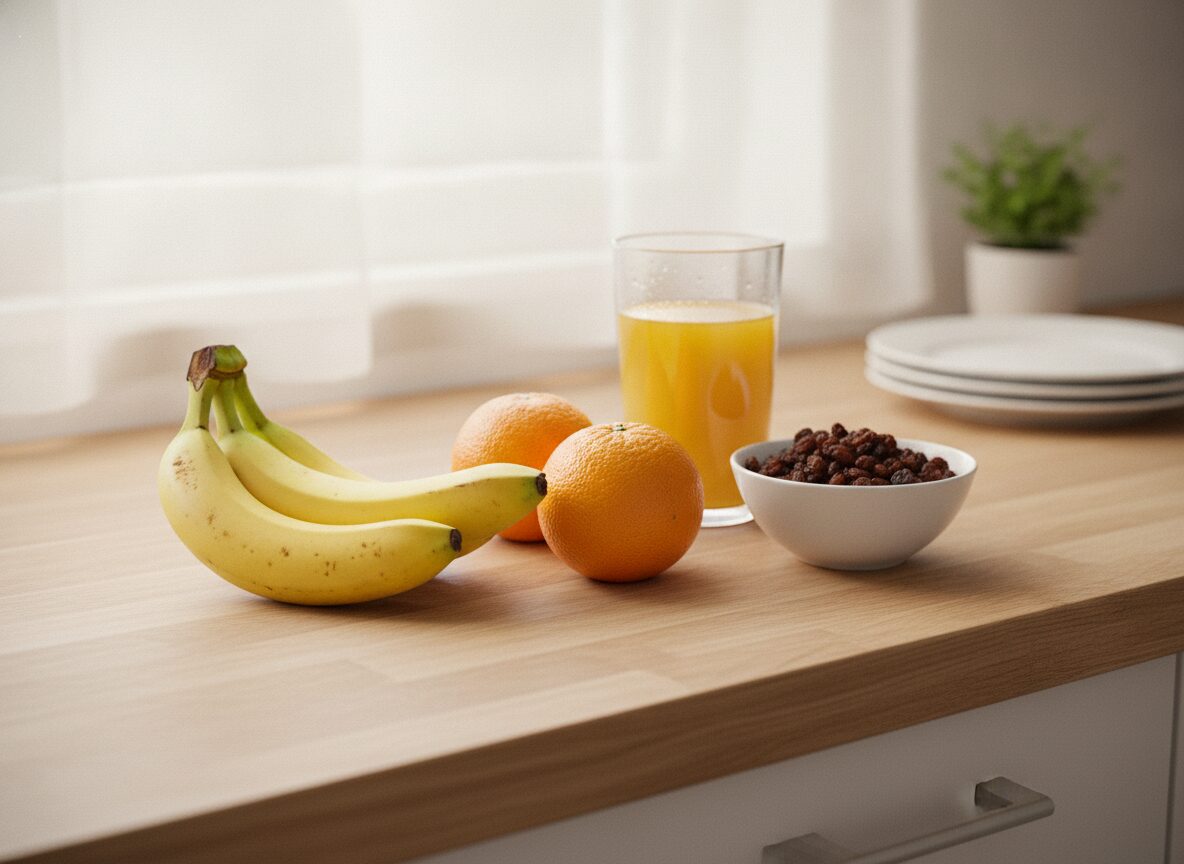
MedlinePlus says to avoid potassium-containing salt substitutes. It also says to talk with your doctor about the amount of potassium-rich foods in your diet, and it names bananas, prunes, raisins and orange juice as examples. Note the wording, because the instruction is to talk with your doctor about the amount you may have in your diet. The AAD adds that too much potassium can be dangerous, so skip the coconut water and supplements that contain potassium.
On blood tests, a 2015 JAMA Dermatology study analyzed rates of hyperkalemia in 974 healthy young women taking spironolactone for acne. It reported 13 abnormal serum potassium measurements in 1,802 measurements, and it states that routine potassium monitoring is unnecessary for healthy women taking spironolactone for acne. That is a finding about lab schedules, not a green light for salt substitutes, so follow your prescriber’s lab plan.
Two non-food items round out the list. MedlinePlus names the nonprescription products potassium supplements, ibuprofen, naproxen and acetylsalicylic acid as ones that may interact with spironolactone. It also says drinking alcohol with this medication may cause dizziness, lightheadedness and fainting when you get up too quickly from a lying position. Our article on spironolactone and birth control covers a related topic for women taking it.
Does your diet change acne, whatever medicine you take?
This is the second category, and the evidence is softer. The AAD’s diet page says foods that cause your blood sugar to rise quickly, such as white bread and fries, may worsen acne. It says findings from small studies suggest that a low-glycemic diet may reduce the amount of acne you have. It also says other studies have not found a connection between a high-glycemic diet and acne, and that more research is needed to know for sure.
On milk, the AAD says some studies suggest that drinking cow’s milk may be linked to an increase in acne breakouts. It adds that whole, low-fat and skim milk have all been linked to acne. It calls the reason for that link a bit of a mystery. It also says no studies have found that yogurt or cheese lead to more breakouts, and that more research is needed.
Two cautions apply to those findings. Several of the studies the AAD diet page lists asked people about their eating by questionnaire, recall or food diary, which can show a link without proving a cause. And none of this is a drug interaction. The Doryx MPC label says tetracycline absorption is reduced with foods, especially those that contain calcium, which is separate from whether milk is linked to acne.
What does the AAD suggest you do about it?
The AAD tells people who think their diet affects their acne to pay attention to their breakouts. It suggests asking whether any food or drink seems to trigger a breakout, and what happens when you go without it for a day, a week or a month. It also says that keeping your skin clear requires more than a diet change, since acne friendly skin care and acne medication help prevent new breakouts. A change that helps one person may not help the next.
Where does The Goal Is Clear fit in your plan?
At The Goal Is Clear, every case is reviewed by a U.S. board-certified dermatologist licensed in your state. A prescription is never guaranteed for any patient. The company doesn’t use nurse practitioners or physician assistants to diagnose acne or write prescriptions.
You take a quiz of about two minutes, then upload two photos, one from the front and one from the side. After checkout, a board-certified dermatologist reviews your case within 24 hours. The how it works page says you can message them directly through your dashboard, and a real person reads every message. Questions about supplements, antacids or salt substitutes fit there.
The pricing page says medication is billed separately by the pharmacy, as low as $0 for the prescription with insurance, and our Accutane® cost FAQ has more. If isotretinoin is the plan, the iPledge Concierge tracks your monthly windows, pregnancy tests and refills. Our guide to generic vs brand isotretinoin covers a related question. The about page says BNG Health Services, LLC operates the brand and is not the prescribing physician.
Common questions about foods to avoid on acne medication
What foods should you avoid on Accutane? The label doesn’t name foods to avoid. The Accutane® label says it should be administered with a meal, and that patients should be advised against taking vitamin supplements containing vitamin A. It mentions alcohol only in its lipid section. MedlinePlus says to continue your normal diet unless your doctor tells you otherwise.
Can you eat dairy on doxycycline? The Doryx MPC label says absorption of tetracyclines is reduced with foods, especially those that contain calcium. It also says Doryx MPC may be given with food or milk if gastric irritation occurs. No source we read gives hours to wait, so ask your prescriber or pharmacist about your product.
What foods should you avoid on spironolactone? For women taking it, MedlinePlus says to avoid potassium-containing salt substitutes. It also says to talk with your doctor about the amount of potassium-rich foods you may have in your diet. The AAD says to skip coconut water and supplements that contain potassium.
Does sugar or dairy cause acne? The AAD says findings from small studies suggest that following a low-glycemic diet may reduce the amount of acne you have. Other studies have not found a connection between a high-glycemic diet and acne. It also says some studies suggest cow’s milk may be linked to more breakouts, no studies have linked yogurt or cheese to more breakouts, and more research is needed.
Can you take vitamins or supplements on acne medication? It depends on the medicine you take. The Accutane® label says patients should be advised against taking vitamin supplements containing vitamin A. For doxycycline, MedlinePlus says to separate antacids, calcium supplements, laxatives that contain magnesium, and iron products from the dose. Women taking spironolactone should skip supplements that contain potassium, the AAD says. Tell your prescriber about every supplement before you start.
What does a simple plan look like?
Write down your acne medicine and every supplement, antacid and salt substitute you use. Take isotretinoin with a meal, as the Accutane® label says. Drink a full glass of water with each doxycycline dose, as MedlinePlus says. If you are a woman on spironolactone, avoid potassium-containing salt substitutes, as MedlinePlus says. Ask your prescriber or pharmacist before you change anything else.
If you want a board-certified dermatologist to look at your case, take the quiz, which takes about two minutes. The about page explains who runs the company.
This article is general information, not medical advice. A prescription is never guaranteed, and treatment decisions stay with the board-certified dermatologist who reviews your case. Accutane® is a registered trademark of its respective owner, and isotretinoin is the generic name. Doryx® and Aldactone® are registered trademarks of their respective owners. The Goal Is Clear is operated by BNG Health Services, LLC, which is not the prescribing physician; board-certified dermatologists prescribe.
Sources
- Accutane (isotretinoin) prescribing information and Medication Guide, DailyMed
- Doryx MPC (doxycycline hyclate) prescribing information, DailyMed
- Aldactone (spironolactone) prescribing information, DailyMed
- American Academy of Dermatology, Can the right diet get rid of acne?
- American Academy of Dermatology, Isotretinoin: side effects and skin care
- American Academy of Dermatology, Stubborn acne? Hormonal therapy may help
- MedlinePlus, Isotretinoin
- MedlinePlus, Doxycycline
- MedlinePlus, Spironolactone
- Plovanich et al., Low usefulness of potassium monitoring among healthy young women taking spironolactone for acne, JAMA Dermatology 2015
General information from published sources, not medical advice. Your dermatologist makes every treatment decision after reviewing your case. The Goal Is Clear is operated by BNG Health Services, LLC, which is not the prescribing physician.
← Blog Home