Is Accutane Covered by Insurance? Coverage, Appeals and Costs

Quick answer: No federal or medical source we checked says how often insurance pays for isotretinoin. Medicare says each of its drug plans can cover different drugs. Whatever plan you have, its own drug list and rules decide. Plans can use prior authorization, which isn’t a promise your plan will cover the cost. If a claim is denied, you can appeal. Labs, monthly visits and, for patients who can get pregnant, pregnancy tests sit outside the drug price.
This page covers denials, iPledge costs outside the drug price and paying without insurance. The facts come from the FDA, DailyMed, the American Academy of Dermatology (AAD), MedlinePlus, PubMed, Medicare.gov, Medicaid.gov and HealthCare.gov, checked between October 8 and October 10, 2026. We quote no drug prices, because none of those sources publishes one.
Does insurance usually cover Accutane (isotretinoin) for acne?
We can’t give you a percentage. The FDA, DailyMed, the AAD, MedlinePlus and the federal pages we read don’t say what share of plans pay for isotretinoin. Any claim that “most plans cover it” has no support in those sources. Coverage is set plan by plan, so your plan’s own drug list and rules are where to check.
Medicare drug coverage (Part D) is offered by Medicare-approved private plans. Medicare’s own guide says there is no single list of covered drugs that fits all plans. We found no Medicare page that says whether Part D plans cover isotretinoin for acne, so check the plan’s list before you count on it.
Medicaid works differently from Medicare drug plans. Medicaid.gov says pharmacy coverage is an optional benefit under federal Medicaid law. It adds that all states currently cover outpatient prescription drugs for all categorically eligible individuals and most other enrollees. A Medicaid.gov state release says Section 1927(d)(1) of the Act lets a state subject a covered outpatient drug to prior authorization. So a Medicaid program’s answer on isotretinoin is a state question, and your plan’s member line is the place to ask it.
The label names the patients who should take the drug. The Accutane® label says the drug is indicated for severe recalcitrant nodular acne. It says the drug should be reserved for patients with severe nodular acne who are unresponsive to conventional therapy, including systemic antibiotics. The 2024 AAD guideline strongly recommends oral isotretinoin for acne that is severe, causes psychosocial burden or scarring, or fails standard oral or topical therapy. Our guide to how to get Accutane prescribed walks through who qualifies.
What are prior authorization and step therapy?
HealthCare.gov defines preauthorization as a decision by your insurer that a service, treatment plan or prescription drug is medically necessary. It adds that the approval is not a promise the plan will pay. Medicare describes prior authorization as approval based on a plan’s specific requirements that you or your prescriber must get before the plan covers certain drugs. The prescriber may need to show the drug is medically necessary and that you meet the plan’s requirements.
Step therapy is a type of prior authorization. According to Medicare, it requires you first to try a certain, less expensive drug on the plan’s list. Medicare describes that drug as proven effective for most people with your condition. Only then can you move up to a more expensive one. Some plans may require a generic drug first. For acne, a plan using this rule might ask about earlier treatments, but we found no source that confirms what any specific plan requires.
If the rule doesn’t fit your case, you can ask for an exception. In Medicare drug plans, you or your prescriber requests it, and the prescriber supplies a supporting statement. The statement explains the prescriber’s belief that the drug is medically necessary for you even if you don’t meet the plan’s requirements. It also covers the belief that you will have negative health effects if you take a different drug, and that a different drug would be less effective.
What might an insurer ask you to provide?
No source we checked lists the questions a plan asks about isotretinoin. The label’s wording points to records of your diagnosis, how severe the acne is, and what you already tried, such as the systemic antibiotics the label names. That is our reading of the label, not a rule from any plan. Ask the plan for its written criteria.
The label says isotretinoin must be dispensed only by a pharmacy enrolled and activated in iPLEDGE, with authorization from the iPLEDGE REMS for every prescription. The plan can say yes and the pharmacy still can’t fill until iPledge allows it. The reverse can happen as well. Our explainer on the iPledge program covers the rules.
For patients who can become pregnant, the label sets a pickup limit of 7 days from the date of specimen collection for the pregnancy test. If a prescription isn’t obtained by the “Do Not Dispense To After” date, the label says the authorization must be reversed in iPLEDGE and the product returned to inventory. So a coverage problem that runs past that date can cost a repeat pregnancy test. From running iPledge logistics, we also see that refill timing has to respect both the iPledge window and the insurer’s refill-too-soon rule at the same time.
Is generic isotretinoin covered differently than a brand name?
We found no source that says how plans treat generic and brand isotretinoin, and plans differ. The FDA says generic medicines tend to cost less than their brand-name counterparts. It also says the active ingredient in a generic is the same as in the brand-name drug, with the same strength, dosage form and route of administration.
MedlinePlus lists brand names that include Absorica, Amnesteem, Claravis, Myorisan and Zenatane, and the AAD notes that many people still refer to isotretinoin as Accutane. Your plan’s drug list may use any of these names. Ask the plan which isotretinoin products it lists, and ask the pharmacy which one it will fill. Our page on Accutane generic vs brand compares them.
The iPledge rules don’t change with the product. The FDA says iPLEDGE is a shared system that includes all FDA-approved isotretinoin products. Dosing can change the fill, though. The Medication Guide says the amount you take is based on your body weight and may change during treatment, so one month’s quote may not hold later.
What should you do if coverage is denied?
A denial is not the end of the road, and the first move is to find out why it happened. HealthCare.gov says an insurer must notify you in writing and explain why. For a prior authorization request, it must do so within 15 days. The steps below follow the HealthCare.gov pages we read. A Medicare, Medicaid or employer plan may use different clocks, so the deadlines in your plan’s letter control.

- Read the denial letter for the stated reason, such as a finding that the treatment is not medically necessary.
- Ask your prescriber whether the fix is more records, a different product or an exception request. In Medicare drug plans, the prescriber supplies a supporting statement for an exception.
- Ask the pharmacy what it sees. It runs the claim, so it can tell you whether the issue is coverage, a missing authorization or something else.
- File an internal appeal with the plan. HealthCare.gov says you must file it within 180 days of the denial notice, and a letter from your doctor can go with it. A state Consumer Assistance Program can file an appeal for you.
- If the plan still denies, ask about external review. HealthCare.gov says you must request it in writing within 4 months of the denial notice or final determination. Standard reviews are decided no later than 45 days after the request is received. Expedited reviews are decided no later than 72 hours.
If your plan is a Medicare drug plan, Medicare’s guide says that when a plan won’t agree to an exception, you can appeal the plan’s decision.
What does iPledge add to the cost outside the drug price?
The drug itself is only one bill. The visits, labs and tests are others, and which ones apply depends on your group. The facts below are current as of October 10, 2026, and we say plainly where a change is only planned.
For every patient
MedlinePlus says you need to see your doctor every month, and each visit may bring a prescription for up to a 30-day supply with no refills. The AAD says the check-in may be in person or virtually through telemedicine. Each month’s fill needs a new prescription and a new iPledge authorization.
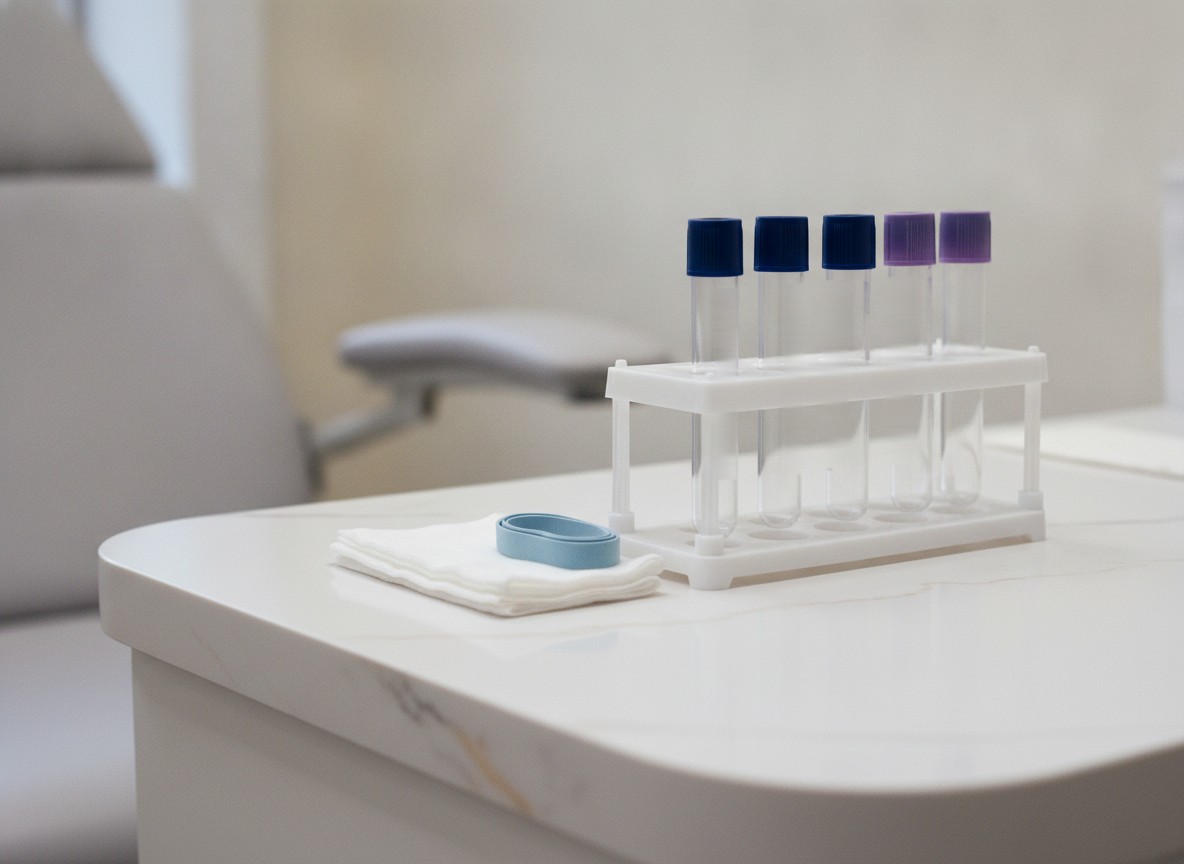
Blood tests are part of the course. The AAD says your dermatologist will check your cholesterol levels and how your liver is working before you start and again during treatment. The label says lipid tests should be done before the drug is given and then at intervals until the lipid response is established. It says liver function tests should be done at weekly or biweekly intervals until the response is established. An article in Cutis (2023) says frequent lab monitoring for spironolactone and isotretinoin is associated with a major cost burden to the patient and the health care system. Ask whether the lab bills insurance.
For patients who can get pregnant
Two negative urine or serum pregnancy tests come before the first prescription. The label says the interval between the two tests should be at least 19 days. The FDA says all pre-treatment tests must be done in a medical setting such as an office or laboratory.
The label says the test is repeated every month in a CLIA-certified laboratory before each prescription. The FDA’s October 2023 update, however, says it does not intend to object if prescribers rely on the patient to perform home pregnancy tests. The patient reports the dates and results to the prescriber, during and after treatment. That is allowed now, and the pre-treatment tests still happen in a medical setting.
Missed windows can add cost to the course. A 2021 study in Pediatric Dermatology found that female patients who missed prescription windows had a longer treatment course and significantly higher treatment costs than those who did not. Today, a patient who can get pregnant and misses the first 7-day window before starting treatment faces a waiting period before the repeat test, often called the 19-day lockout. Our page on the prescription window by group has the detail.
For patients who cannot get pregnant
There is no monthly pregnancy test, and the label lists no monthly iPledge questions for this group. The current pickup limit is 30 days from the office visit. They still enroll in iPledge, and MedlinePlus says all patients, including men, can get isotretinoin only if they are registered.
What is planned for iPledge on November 15, 2026?
The FDA approved changes to iPledge on February 9, 2026. It later moved the planned implementation date to November 15, 2026. These changes are not in effect today. Once they take effect, the FDA says there is no longer a 30-day prescription window for patients who cannot get pregnant. For patients who can get pregnant and miss the 7-day window, a repeat pregnancy test may be done right away. Pre-treatment tests stay in a medical setting. Until then, the current rules above apply.
What if you pay without insurance?
Without insurance, the pharmacy’s cash quote is the number that counts. Because no federal or medical source publishes a cash price, the only reliable number is a quote from the pharmacy that will fill your prescription. Ask for the price for your exact product, strength and quantity before you commit. Our guide to Accutane cost without insurance explains what makes up the bill.
Stay inside the system when you shop. MedlinePlus says not to buy isotretinoin over the internet. The Accutane® label says patients must obtain prescriptions only at US licensed pharmacies. It adds that the drug must not be obtained through the internet outside of the iPLEDGE REMS.
How does insurance work at The Goal Is Clear?
The Goal Is Clear’s cost page says the Clear Course is cash-pay and is billed by The Goal Is Clear at checkout. Prescriptions are billed separately by the partner pharmacy, which runs your insurance. Its pricing page says medication is billed separately by the pharmacy, and the cost page says some eligible insured patients pay as low as $0 for the prescription. It also says that copays vary. Lab work is billed separately by the lab, kit or draw site, and the page says it is often billable to insurance.
Every case is reviewed by a board-certified dermatologist licensed in your state, within 24 hours, and a prescription is never guaranteed. Patients with Accutane® care get an iPledge Concierge that tracks monthly windows, pregnancy tests and refills. Patients also get window-open alerts and a heads-up before a window closes.
BNG Health Services, LLC operates the brand and is not the prescribing physician. Our iPledge FAQ says that for a telehealth patient, both pre-treatment tests stay in a medical setting, which means a lab.
Common questions about Accutane and insurance
Does insurance cover Accutane? It depends on the plan you have. No federal or medical source we checked says what share of plans pay for isotretinoin. Medicare says each plan can cover different drugs, so read your plan’s drug list and rules.
What is prior authorization for isotretinoin? It is approval your plan requires before it covers certain drugs. HealthCare.gov says it isn’t a promise the plan will cover the cost. We found no source that lists what a specific plan asks for, so request the plan’s written criteria.
Is generic isotretinoin cheaper than a brand name? The FDA says generic medicines tend to cost less than their brand-name counterparts. Plans differ on how they handle each, so ask the plan and the pharmacy. The iPledge rules are the same for every product.
What if my claim is denied? Read the letter, ask your prescriber and the pharmacy what is missing, and file an internal appeal. HealthCare.gov says to file within 180 days of the denial notice. External review is the next step, requested in writing within 4 months of the notice or final determination, and plan clocks may differ.
What costs sit outside the drug price? The monthly visit and blood tests apply to every patient. Patients who can get pregnant also have pregnancy tests, with the first two in a medical setting. As of October 10, 2026, changes planned for November 15, 2026 are not in effect.
What should you do before you start treatment?
Call your plan’s member line and ask whether isotretinoin is on the drug list and whether it needs prior authorization or step therapy. Ask which products it lists and how to appeal. Then ask the pharmacy for a cash quote to compare. To have a board-certified dermatologist look at your case, take the quiz, which takes about 2 minutes. Then upload two photos, one from the front and one from the side.
This article is general information, not medical advice or insurance advice. A prescription is never guaranteed, and treatment decisions stay with the board-certified dermatologist who reviews your case. Accutane® is a registered trademark of its respective owner, and isotretinoin is the generic name. The Goal Is Clear is operated by BNG Health Services, LLC, which is not the prescribing physician; board-certified dermatologists prescribe.
Sources
- Accutane (isotretinoin) prescribing information, DailyMed
- FDA, iPLEDGE Risk Evaluation and Mitigation Strategy (REMS)
- FDA, Generic Drug Facts
- American Academy of Dermatology, Isotretinoin: side effects and skin care
- MedlinePlus, Isotretinoin
- Reynolds et al., Guidelines of care for the management of acne vulgaris, J Am Acad Dermatol 2024
- Shah et al., Exploring the costs associated with isotretinoin treatment, Pediatr Dermatol 2021
- Shields and Barbieri, From Breakouts to Bargains, Cutis 2023
- Medicare.gov, Drug plan rules
- Medicare.gov, Your Guide to Medicare Drug Coverage
- Medicaid.gov, Prescription Drugs
- Medicaid.gov, State release on prescription drugs
- Medicare.gov, What’s Medicare drug coverage (Part D)?
- HealthCare.gov, Preauthorization
- HealthCare.gov, Internal appeals
- HealthCare.gov, External review
General information from published sources, not medical advice. Your dermatologist makes every treatment decision after reviewing your case. The Goal Is Clear is operated by BNG Health Services, LLC, which is not the prescribing physician.
← Blog Home