Online Accutane vs in-person dermatologist: which route fits you?
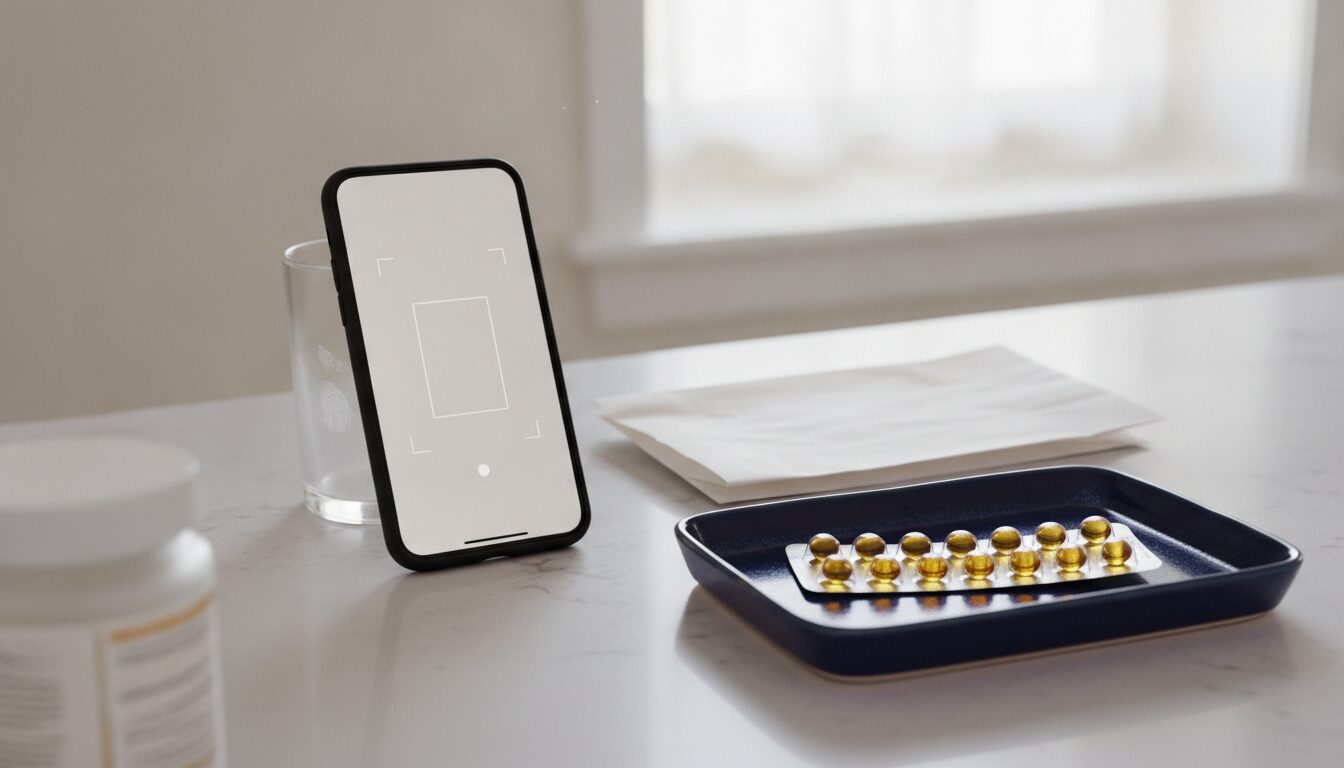
Quick answer: Accutane® (isotretinoin) can be prescribed online, and for ordinary moderate-to-severe acne the online route starts when a dermatologist reviews your case rather than when a calendar slot opens. A state-licensed, board-certified dermatologist still has to decide that it fits you, you still enroll in iPledge, and your labs still get ordered and read. In-person care is the better route when the skin needs hands-on work or when your dermatologist decides the case sits outside what telehealth can safely cover. Online never means unsupervised, and a prescription is never guaranteed.
Most people asking whether they can get Accutane® online are really asking two different questions at once. One is legal and practical, and the answer there is yes in many cases. The other is clinical, and the honest answer is that it depends on your skin, your history, and the judgment of the dermatologist reading your case. This page separates the two so you can tell which route fits you before you spend a month finding out the hard way. If you already know the online route is what you want, the step-by-step version lives on our page about getting Accutane® online.
When does online Accutane® actually work?
Online works when four things line up: a dermatologist licensed in your state, enrollment in iPledge, lab work ordered and reviewed, and a pharmacy that can dispense inside the monthly authorization window. Telehealth doesn’t remove any of those requirements, it just changes where the visit happens. The drug is the same isotretinoin, the FDA-approved labeling is the same, and the federal safety program is the same.
The cases that run smoothly online tend to share a shape. The acne looks like acne, photographs clearly, and has a treatment history a dermatologist can read: the products tried, roughly when, and for how long each one ran. The patient can answer messages each month and can get to a lab when one is ordered. Nothing about that requires a waiting room, and the American Academy of Dermatology’s 2024 acne management guideline puts isotretinoin squarely in the picture for severe acne and for acne that keeps coming back after other treatments.
The difference in speed comes from the sequence, not from the medicine. An in-person course starts when a new-patient appointment becomes available, and that first visit can’t end in a prescription until the dermatologist has your history and your lab results in hand. Online, the history and the photos arrive before anyone opens the case, so the review and the lab order can happen the same day the case is submitted.
When is an in-person dermatologist better?
In-person is better whenever the skin needs to be touched, treated, or examined in a way a photograph can’t carry. Some of that is obvious from the start and some of it only becomes obvious once a dermatologist looks at your case.
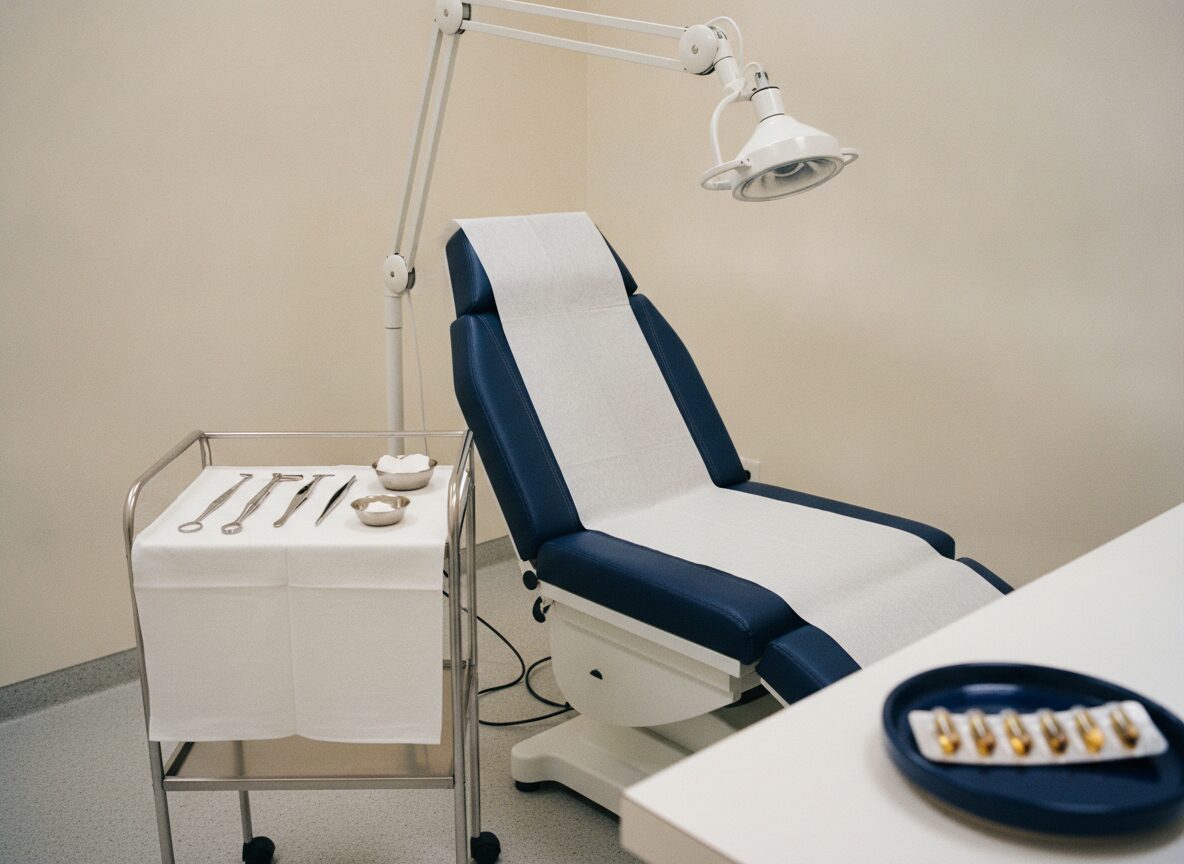
- Acne that’s actively scarring and may need in-office treatment alongside medication.
- Anything your dermatologist wants to examine, sample, or treat directly.
- Lesions that may not be acne at all, where the diagnosis itself is the question.
- A history your dermatologist decides needs closer monitoring than a remote course allows.
There’s also a practical version of this. Isotretinoin runs on a monthly rhythm of check-ins, tests, and pickups for the whole length of the course. If you already know you won’t reliably answer messages or book a lab appointment on a schedule, the route with a receptionist calling you may genuinely serve you better, and that’s a fair reason to choose it.
A dermatologist reviewing a case online can also decide the case belongs in a room. When that happens with us, we say so and route you rather than stringing the case along, because a prescription that shouldn’t be written is worse than a slow start.
What does iPledge still require either way?
iPledge applies to every isotretinoin patient in the United States, online or in a clinic, regardless of gender. The program is the FDA’s risk-management system for the drug, and its requirements sit in the approved REMS document rather than in any clinic’s policy, so neither route can trade them away.

Every patient enrolls before the first prescription and checks in every month, and from there the clock depends on your iPledge category. For patients who can get pregnant, each monthly pregnancy test opens a seven-day window to pick up that month’s supply, counted from the date the specimen was collected, and the prescription voids when the window closes. Patients who cannot get pregnant currently work to a thirty-day window counted from the office-visit date the prescriber enters, and that window goes away entirely at the November cutover. Those windows are where most first-month surprises happen, and we’ve never seen the program send anyone a countdown as the days run out, so somebody has to be watching the dates. When nobody is, you lose a month of treatment rather than your place in the program.
Patients who can get pregnant carry additional testing. Both pre-treatment pregnancy tests happen in a medical setting, which for a telehealth patient means a test done at a lab rather than one bought at a drugstore. Monthly testing continues through the course, and your dermatologist orders the liver and lipid labs on the schedule the labeling supports.
The FDA approved changes to the program in February 2026. Among them: the 19-day wait a patient who can get pregnant currently serves after missing that first seven-day window before treatment starts goes away, so the repeat confirmatory test happens without a waiting period, and prescribers gain the option to accept pregnancy tests taken outside a medical setting after the first dose of a course. Those changes take effect on November 15, 2026, so anyone starting today is still running under the current rules. Our page on how the iPledge program works tracks both sets of dates as the switch approaches.
How does TGIC run Accutane® online?
We run it as a service with the logistics carried for you, which is the part that usually breaks when people try to assemble this themselves. You take a short quiz, upload two photos, and choose an Accutane® Clear Course plan. A board-certified dermatologist licensed in your state reviews the case within 24 hours, and you see their name, photo, and license before treatment begins. We don’t use nurse practitioners or physician assistants for acne diagnosis or prescribing decisions.
If you’re prescribed, an iPledge concierge tracks your windows, your test timing, and your refill dates for the whole course. The partner pharmacy runs your insurance and any manufacturer savings program on the medication itself, and some eligible insured patients pay as low as $0 for the prescription itself. What the Clear Course covers and what the pharmacy handles are separated on our page about what Accutane® costs and on the pricing page.
Coverage runs to all 50 states plus Guam, confirmed against your state at intake. Men who’d rather read the version written for them can start with acne treatment for men, and the process itself is identical either way.
Common questions about online versus in-person Accutane®
Can a dermatologist really prescribe Accutane® online? Yes, when the dermatologist is licensed in your state, registered with iPledge, and satisfied that isotretinoin fits your case. The prescribing authority is the same one they use in a clinic.
Is the medication different from what a clinic prescribes? No, it’s the same isotretinoin dispensed under the same federal program, filled by a pharmacy rather than handed to you by the dermatologist.
Do I still need blood work when I do this online? Yes, and the labs are ordered by your dermatologist and drawn at a lab near you, and the results have to reach the prescriber before the monthly math starts.
Can I switch from an in-person course to an online one in the middle of treatment? Often yes, though the handoff is the delicate part. Moving a prescription between pharmacies is where days get lost, because neither pharmacy owns the iPledge clock during the transfer, so the switch is best timed right after a pickup rather than right before a window opens.
Which route gets me treated faster? That depends on your case, though the online route removes the wait for an appointment slot because the history, photos, and lab order all move before a review begins. Timing still depends on your labs, your iPledge enrollment, and your dermatologist’s judgment.
Deciding between the two routes
If your acne is ordinary in presentation, has a history behind it, and you can keep up with a monthly rhythm, the online route saves you weeks and gives you someone watching the program dates. If your skin needs hands-on care, or your dermatologist says the case belongs in a room, that’s the route to take and no amount of convenience should outrank it. Either way the drug, the program, and the monitoring are the same, so the real question is which setting gets you the right care.
Ready to see whether the online route fits you? Start with Get Accutane® online with TGIC, which walks through eligibility, states, and what happens after a dermatologist reviews your case.
This article is general information, not medical advice. Dose, course length, and whether Accutane® is right for you are decisions for your dermatologist, and a prescription is never guaranteed. The Goal Is Clear is operated by BNG Health Services, LLC. BNG is not the prescribing physician; independent board-certified dermatologists prescribe.
Related from The Goal Is Clear
- Who qualifies for Accutane (and who doesn’t)?
- How to take Accutane: food, dairy, alcohol and supplements
- Does Accutane help with scars? What clears and what stays
- Board-certified dermatologist online for acne: what to check
- Hormones and acne in men: what drives it and what treats it
- Accutane for men: iPledge, labs and each month of a course
General information from published sources, not medical advice. Your dermatologist makes every treatment decision after reviewing your case. The Goal Is Clear is operated by BNG Health Services, LLC, which is not the prescribing physician.
← Blog Home