Tretinoin for men: shaving, sun and what to expect early
Quick answer: Tretinoin is a prescription retinoid that men apply to the skin at bedtime to clear pores and treat blackheads, whiteheads, and some pimples. The medicine is slow to act, and MedlinePlus says acne probably will get worse during the first 7 to 10 days. It also says improvement may take 3 to 4 months, or up to 6 months. For men, the daily friction points are the razor, aftershave, and sun, so it helps to plan those parts of your routine.
This article is for men who are thinking about tretinoin or who just started it. It covers what the medicine does, what the first weeks look like, how to shave while using it, and when it isn’t enough.
The Goal Is Clear runs an acne care service with a path for men called BruhRX, so we have a stake here. The medical claims below link to their sources. BNG Health Services, LLC operates the brand and is not the prescribing physician.
What does tretinoin do for acne in men?
Tretinoin works by increasing production of new skin cells and unclogging pores. MedlinePlus describes tretinoin as a retinoid that works by increasing production of new skin cells and unclogging pores. It comes as a lotion, a cream, and a gel.
The American Academy of Dermatology (AAD) lists tretinoin among the prescription retinoids dermatologists use for acne. The same page says a retinoid you apply to your skin works to clear your pores and can treat blackheads, whiteheads, and some pimples.
Two other jobs matter for men who’ve had acne for years. The AAD says that if you develop dark spots after acne clears, a retinoid can help lighten them. It also says dermatologists may recommend a topical retinoid as a maintenance treatment, which can keep your skin clear once acne is under control.
Tretinoin is one retinoid among several. The AAD names adapalene as the non-prescription retinoid and tazarotene, tretinoin, and trifarotene as prescription ones. Our article on retinol and tretinoin for acne explains how retinol differs from the prescription option.
What happens in the first weeks of tretinoin?
Expect a rough start at first. MedlinePlus says your acne probably will get worse during the first 7 to 10 days, with red, scaling skin and more acne sores. The advice on that page is to continue using it.
The same page says acne sores should improve in 2 to 3 weeks of regular use, and sometimes more than 6 weeks. It also says tretinoin works slowly, and that it may take 3 to 4 months or up to 6 months before you notice improvement.
Those numbers form a wide range. They come from MedlinePlus, not a schedule your own skin will follow. Our retinol purge article covers why skin can look worse before it looks better.
The AAD gives a general benchmark for acne treatment. Its treatment page says it takes at least 6 to 8 weeks before you start to see fewer breakouts. Its page on acne that won’t clear adds that clearing can take two to three months or longer.
Why does stopping tretinoin early backfire?
The first weeks can look worse than the starting point, so stopping feels logical. The sources above point the other way. MedlinePlus tells you to continue through the first 7 to 10 days, and it warns that if you stop using tretinoin, the improvement may gradually disappear.
How do you use tretinoin the way it is prescribed?
Use exactly what your prescriber wrote on the label. MedlinePlus says to use tretinoin daily at bedtime, and not to use more of it, or use it more often, than your doctor prescribed. The AAD likewise notes that dermatologists often recommend applying a topical retinoid in the evening.
MedlinePlus lists a few application rules. Wash the treated skin with mild, bland soap first, and keep the medicine out of your eyes, ears, mouth, and the corners along your nose. It also says not to apply it to sunburned skin or skin affected by eczema.
Using more is not the goal. MedlinePlus is explicit that you shouldn’t use more or less than prescribed. If the medicine stings badly or your skin cracks, message your prescriber rather than guessing.
How do you manage dryness and irritation?
Irritation is a known side of retinoids, and the AAD has a plan for it. On its treatment page, the AAD says irritated skin doesn’t typically mean you have an allergy. A retinoid may still be an option for you.
To reduce irritation, the AAD says your dermatologist may recommend a smaller amount or less frequent use. Another option is moisturizer first, especially if your skin needs a stronger retinoid. It stresses that you should only make these changes with your dermatologist’s help. The AAD also notes that newer retinoids tend to be less irritating than the original ones.
The AAD’s moisturizer page says a moisturizer may be just what you need if you use tretinoin. These treatments tend to dry and irritate the skin. It lists the descriptions to look for on the container: oil-free, non-comedogenic, and won’t clog pores.
Weather plays a part as well. MedlinePlus says wind and cold may be particularly irritating to treated skin, so plan for that if you work outdoors in winter.
How do you shave while using tretinoin?
The sources don’t give a shaving protocol made for tretinoin, so this section sticks to what they do say and leaves the rest to your prescriber.
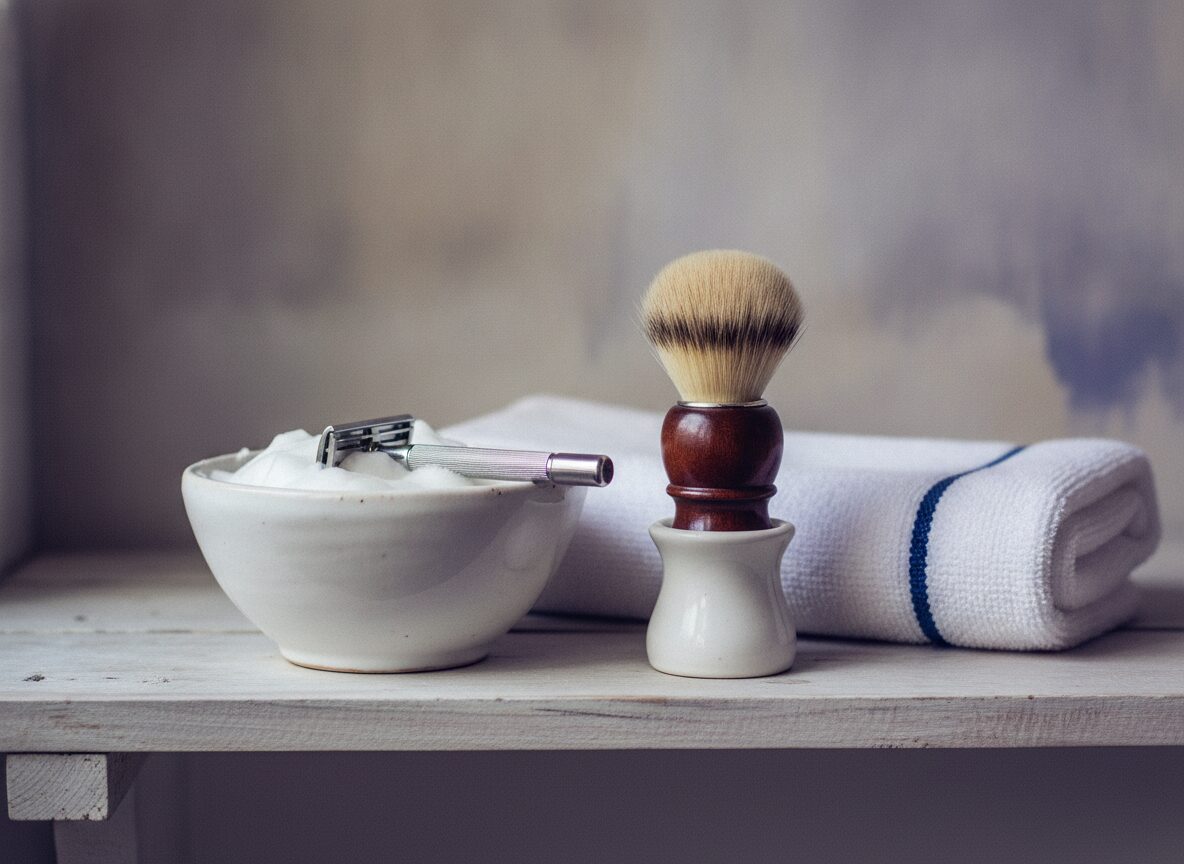
Start with your aftershave and check the label. MedlinePlus says not to use topical preparations with a lot of alcohol, menthol, spices, or lime, and it names shaving lotions as an example. It adds that they can sting your skin, especially when you first use tretinoin. Check your aftershave label against that list.
Next, tighten up your basic shave routine. The AAD’s how-to-shave page says a great time to shave is right after a shower, when your skin is warm and moist. It recommends a shaving cream or gel, and a product labeled for sensitive skin if yours is very dry or sensitive.
The AAD also says to rinse after each swipe and to change your blade, or throw away a disposable razor, after 5 to 7 shaves to minimize irritation.
Last, skip hair removers for now. MedlinePlus lists them among the products to avoid with tretinoin, unless your doctor directs otherwise. Ask first if you use them anywhere.
Bumps on the back of your neck deserve a closer look. The AAD says what feels like razor bumps or acne there may be acne keloidalis nuchae. That is a reason to see a dermatologist rather than to add another cream.
Do you need sunscreen with tretinoin?
Make sunscreen part of your routine. The AAD’s retinoid tips include protecting your skin from the sun while you use one. It lists seeking shade, wearing sun-protective clothing, and applying non-comedogenic sunscreen to all skin not covered by clothing.
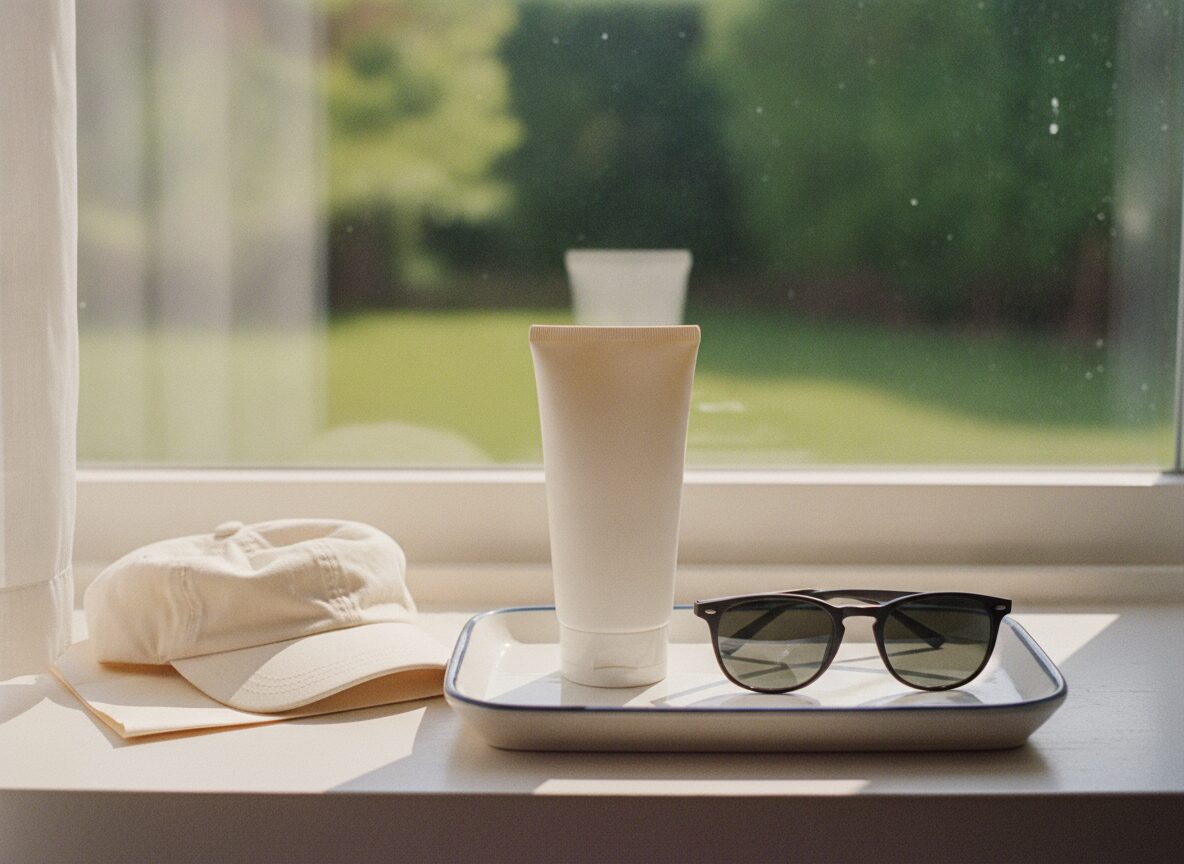
The AAD specifies sunscreen with broad-spectrum protection, SPF 30 or higher, and water resistance. MedlinePlus tells you to avoid unnecessary or prolonged exposure to sunlight or ultraviolet light, including tanning beds and sunlamps. It also says to wear protective clothing, sunglasses, and sunscreen, especially over the treated areas.
What should you not combine with tretinoin?
MedlinePlus says not to use other topical medications with tretinoin unless your doctor directs otherwise. It names benzoyl peroxide, hair removers, salicylic acid, and dandruff shampoos with sulfur or resorcinol. It also says to use only non-medicated cosmetics on your skin.
That list matters if you already own a benzoyl peroxide wash or salicylic acid products. The AAD does describe a retinoid plus benzoyl peroxide as a combination dermatologists prescribe. Your prescriber builds that plan, so don’t assemble it from the drugstore shelf.
If you use a scrub, mention it when you start. The AAD’s antibiotic page warns that scrubbing can irritate your skin and worsen acne.
Can you use tretinoin and Accutane together?
Ask your prescriber before you try. The AAD’s isotretinoin skin care page lists retinol applied to the skin among the ingredients to avoid while taking isotretinoin. It says retinol can irritate skin that is already more sensitive. The sources we checked don’t address tretinoin with isotretinoin, so ask your prescriber before you combine them.
We cover this question in more depth in can you use retinol or tretinoin while on Accutane.
When is tretinoin not enough for a man’s acne?
Tretinoin is one tool, and the AAD lists a retinoid plus benzoyl peroxide as a combination medicine dermatologists may prescribe. Its acne that won’t clear page says using only some of the treatment your dermatologist prescribed could be the reason you still have acne.
The AAD says an oral antibiotic can effectively treat moderate-to-severe pimples but not nodular acne. It adds that dermatologists prescribe an antibiotic for the shortest time, usually several months, and include another medication like benzoyl peroxide. It also says dermatologists prescribe isotretinoin to treat nodular acne that hasn’t responded to other acne treatments.
The Goal Is Clear’s page for men covers this case. It says that if topicals are not enough, your dermatologist may consider oral antibiotics (usually time-limited) or Accutane® (isotretinoin). It lists acne that is moderate to severe, scarring, or repeatedly failing appropriate care as other cases for that step. You can read the full wording on our men’s acne FAQ.
If you are already past your teens and your acne keeps returning, read adult acne in men for the full ladder of steps. If you are weighing the oral route, our article on Accutane for men walks through enrollment, labs, and each month of a course.
Two process notes from running the service apply to an Accutane course. For dryness, buy what you need before it starts, because ordering after lips crack means a bad week. For pharmacy transfers, transfer day is the friction point, because the moment a prescription moves between pharmacies is where days get lost.
How does tretinoin compare with the other acne options?
Compare by what each one treats, not by which sounds strongest. Tretinoin is a topical retinoid that works on clogged pores. The AAD says an oral antibiotic can effectively treat moderate-to-severe pimples but not nodular acne. Dermatologists prescribe isotretinoin for nodular acne that hasn’t responded to other treatments.
Our article on Accutane versus tretinoin compares the oral and topical routes side by side. For more on timelines, read our tretinoin before and after article.
Common questions about tretinoin for men
Does tretinoin work for acne in men? The AAD lists tretinoin among the prescription retinoids dermatologists use for acne, and says a retinoid you apply can treat blackheads, whiteheads, and some pimples. Results vary, and a prescriber decides whether it fits you.
How long does tretinoin take to work? MedlinePlus says acne probably gets worse during the first 7 to 10 days. Sores should improve in 2 to 3 weeks, and sometimes more than 6 weeks. It may take 3 to 4 months or up to 6 months before you notice improvement.
Can I shave while using tretinoin? The sources we checked don’t forbid it. MedlinePlus says shaving lotions with a lot of alcohol, menthol, spices, or lime can sting, especially at first. The AAD advises shaving after a shower with a shaving cream or gel, and changing your blade after 5 to 7 shaves. Ask your prescriber about your own skin.
Do I need sunscreen with tretinoin? Both sources say to use it. The AAD says to protect your skin from the sun while using a retinoid, with broad-spectrum, water-resistant sunscreen of SPF 30 or higher. MedlinePlus also tells you to wear sunscreen, especially over the treated areas.
What if tretinoin isn’t clearing my acne? Talk with a dermatologist before adding products. The AAD lists a retinoid plus benzoyl peroxide as a combination dermatologists prescribe, and says dermatologists prescribe isotretinoin for nodular acne that hasn’t responded to other treatments.
What is a sensible next step for you?
Pick your question before you pick a product. A prescription topical needs a prescriber who reviews your skin and your other products. Deep acne, scarring, or months without progress call for a different conversation.
A board-certified dermatologist licensed in your state can review your case within 24 hours through BruhRX. Pricing details sit on our pricing page and our Accutane cost FAQ, and a prescription is never guaranteed. To start, take the quiz, which takes about two minutes.
This article is general information, not medical advice. A prescription is never guaranteed, and treatment decisions stay with the board-certified dermatologist who reviews your case. Accutane® is a registered trademark of its respective owner, and isotretinoin is the generic name. The Goal Is Clear is operated by BNG Health Services, LLC, which is not the prescribing physician; independent board-certified dermatologists prescribe.
Sources
- American Academy of Dermatology, Acne: Diagnosis and treatment
- American Academy of Dermatology, 9 things to try when acne won’t clear
- American Academy of Dermatology, Moisturizer: Why you may need it if you have acne
- American Academy of Dermatology, How to shave
- American Academy of Dermatology, Isotretinoin: side effects and skin care
- American Academy of Dermatology, How long can I take an antibiotic to treat my acne?
- MedlinePlus, Tretinoin topical
General information from published sources, not medical advice. Your dermatologist makes every treatment decision after reviewing your case. The Goal Is Clear is operated by BNG Health Services, LLC, which is not the prescribing physician.
← Blog Home