Adapalene for closed comedones: timeline and next steps
Quick answer: Adapalene is a retinoid that the American Academy of Dermatology (AAD) lists as a non-prescription option. Closed comedones are also called whiteheads, and the AAD says retinoids can treat them. MedlinePlus says adapalene is used for acne in adults and children 12 and older. It also says full benefit can take 8 to 12 weeks or longer, and your acne may get worse during the first few weeks. If the bumps haven’t changed after a fair trial, a dermatologist can adjust the plan, and a prescription is never guaranteed.
Closed comedones tempt people to scrub, pick and stack products. This article explains what the bumps are and how adapalene works on them. It also covers what a fair trial looks like and when a bump-only pattern needs a dermatologist’s review.
The Goal Is Clear is a telehealth acne brand operated by BNG Health Services, LLC, which is not the prescribing physician. Prescribing decisions come from independent U.S. board-certified dermatologists, and nothing here replaces a clinician’s directions for your skin.
What are closed comedones, and why do they form?
A comedone is a plugged pore. MedlinePlus explains that acne occurs when tiny holes on the skin’s surface become clogged. The blockage of oil and skin cells is called a plug or comedone. If the top of the plug is white, it is called a whitehead. If the top is dark, it is called a blackhead.
A systematic review in Cureus uses the same terms. It describes blackheads as open comedones and whiteheads as closed comedones. So a closed comedone is a whitehead, the plug with a white top.
The plug itself is only part of the picture. MedlinePlus says that if bacteria become trapped in the plug, the body’s immune system may react and cause pimples. A bump-only pattern can therefore change over time, which is one reason to recheck it after a trial.
Why does adapalene work on closed comedones?
The AAD describes a topical retinoid as a medication that works to clear your pores and can treat blackheads, whiteheads and some pimples. Adapalene is the one retinoid the AAD lists as non-prescription, and the AAD says you’ll find it online and in stores. Tretinoin, tazarotene and trifarotene are the prescription retinoids on that same list.
MedlinePlus puts adapalene in a class called retinoid-like compounds and says it works by stopping pimples from forming under the surface of the skin. A review of adapalene says that in acne the drug is expected to reduce comedogenesis and expel mature comedones. The same review calls it effective as monotherapy in mild comedonal acne.
The evidence for retinoids on this bump type is not limited to one drug. The Cureus systematic review found that retinoids such as tretinoin and adapalene significantly improved both open and closed comedones. That finding names tretinoin and adapalene together, so it doesn’t say adapalene beats tretinoin. The 2024 AAD acne guideline gives a strong recommendation to topical retinoids.
If you want a direct comparison with other retinoids, we’ve covered it separately. Our article on adapalene vs tretinoin compares the two, and the one on adapalene vs retinol compares adapalene with retinol.
How do you use adapalene on closed comedones?
Use the directions on your prescription label or the package, because they win over anything a general article says. MedlinePlus says adapalene is usually applied once a day at bedtime. The AAD likewise notes that dermatologists often recommend applying a topical retinoid in the evening.
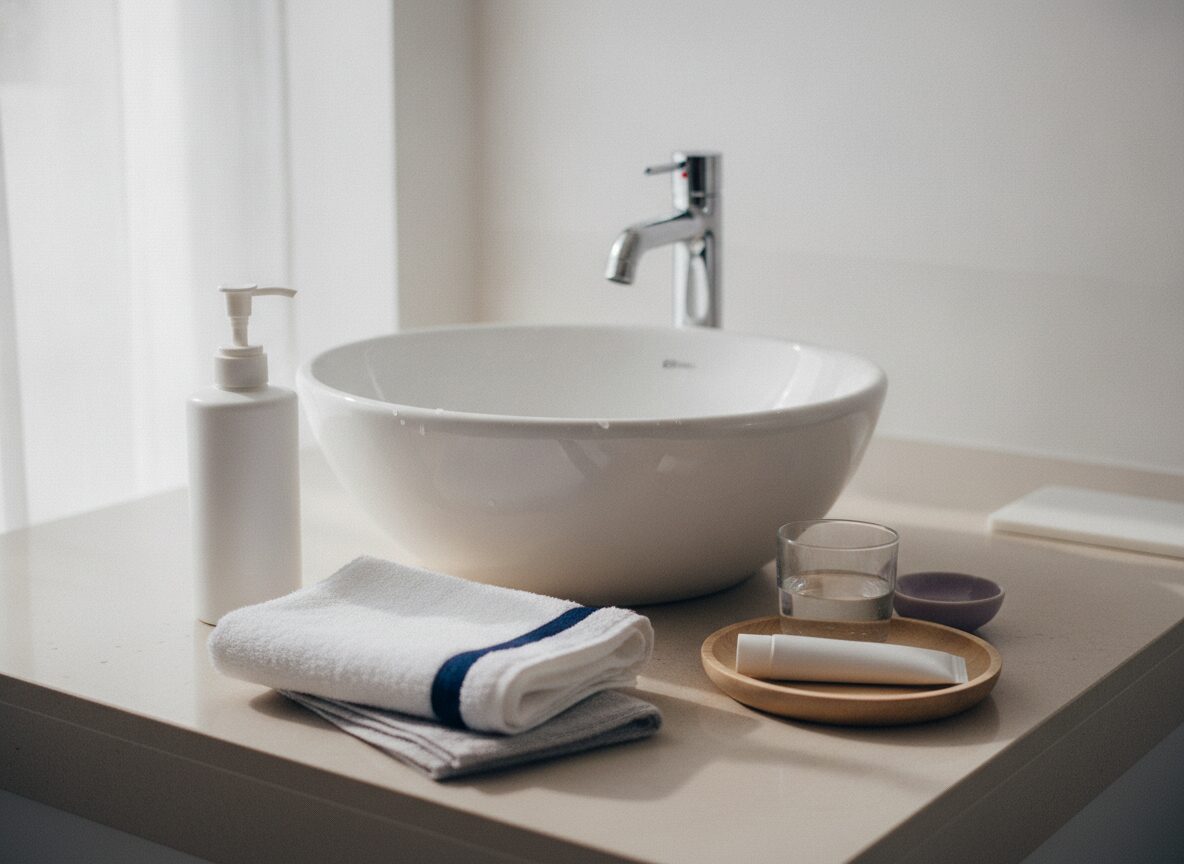
MedlinePlus lists these label-style steps:
- Wash the affected skin gently with a mild soap or soapless cleanser, then pat it dry.
- Spread a thin film of the medication over the whole affected area, not only over a single bump.
- Keep it out of your eyes, nose, mouth and vagina.
MedlinePlus is also direct about amounts. Applying more adapalene, or applying it more often than recommended, will not speed up or improve results, but it may irritate your skin. Harsh or abrasive cleansers and vigorous scrubbing work against you, and that’s a real risk when the bumps tempt you to scrub.
What should you skip while using adapalene?
MedlinePlus advises against hot wax on the area you are treating. It also warns that skin care products can irritate your skin when used with adapalene, especially harsh or drying products and those with alcohol, spices or lime rind. Tell your clinician about every product you use, including soaps, cleansers, moisturizers and cosmetics.
Skip picking as well, because it backfires. MedlinePlus says aggressively squeezing, scratching, picking or rubbing pimples can lead to skin infections, slower healing and scarring.
What should the first weeks look like?
Expect a slow start during the first few weeks. MedlinePlus says your acne may get worse during the first few weeks, and that adapalene may bring previously unseen pimples to the surface. It says to continue using it even if acne worsens or you don’t see much improvement at first.
Dryness is the other early change. MedlinePlus lists redness, scaling, dryness, burning or stinging, and pain at the application site as symptoms likely to affect your skin during the first 2 to 4 weeks. It says to talk to your doctor if skin stings, burns or becomes irritated at any time. The adapalene review says erythema, dryness, itching and stinging may develop during the early treatment phase.
The AAD lists ways a dermatologist may reduce irritation. They include a smaller amount, less frequent use, or moisturizer first, especially if your skin needs a stronger retinoid. The AAD adds that you should make those changes only with your dermatologist’s help. That rule is easy to break, because the adjustments sound simple.
One process note from running a telehealth service: people tend to buy supportive products after the first rough stretch instead of before starting. Ask your dermatologist which products fit your plan. That’s a logistics observation, not a clinical instruction.
Do you need sunscreen with adapalene?
Yes, and both sources are specific about it. MedlinePlus says adapalene may make your skin sensitive to sunlight or ultraviolet light. It advises avoiding unnecessary or prolonged exposure to real and artificial sunlight, and wearing protective clothing, sunglasses and sunscreen.

The AAD recommends seeking shade, wearing sun-protective clothing, and applying non-comedogenic sunscreen to skin that clothing doesn’t cover. Its sunscreen standard is broad-spectrum protection, SPF 30 or higher, and water resistance. Non-comedogenic means the product won’t clog pores, which matters when the whole problem is clogged pores.
How long should you give adapalene before changing the plan?
The sources give ranges, not a single date. The AAD says it takes at least 6 to 8 weeks before you start to see fewer breakouts. MedlinePlus says it may take 8 to 12 weeks or longer before you feel the full benefit of adapalene. It also says adapalene controls acne but does not cure it.
So a fair trial is measured in months, not days. Judging the product at week two, during the early dry stage, is too early by the AAD’s own 6 to 8 week figure. A review after 8 to 12 weeks of steady use gives a fairer answer.
Another logistics note: on our side, follow-up dates tend to drift later each month once people feel fine. With a slow-moving bump problem, that drift is easy to miss. Put your check-in date on a calendar when you start, so the review happens when you planned.
The AAD adds that dermatologists may recommend a topical retinoid as maintenance, which can keep your skin clear once acne is under control. If adapalene helps, ask your clinician whether maintenance use fits your plan.
When do closed comedones need a dermatologist?
Book a review when a steady trial hasn’t changed the bumps, when irritation keeps you from using the product, or when the pattern is changing. If new kinds of acne appear, or the bumps don’t respond, a dermatologist can reassess. The 2024 AAD guideline lists combining topical therapies with multiple mechanisms of action as a good practice statement. Ask a dermatologist whether a second medication fits your case. Our article on clindamycin and benzoyl peroxide gel describes one combination option.
The same guideline strongly recommends oral isotretinoin for acne that is severe, causing psychosocial burden or scarring, or failing standard oral or topical therapy. A clinician decides whether isotretinoin fits at all. If you want to see how that decision works, read who qualifies for Accutane and our Accutane FAQ.
For adapalene, MedlinePlus tells patients to talk to their doctor if they are pregnant, plan to become pregnant, or are breast-feeding. Mention it at the start of any review.
How does a dermatologist review work at The Goal Is Clear?
Our site says every case is reviewed by a U.S. board-certified dermatologist licensed in your state. After the quiz, you upload two photos, check out through secure billing, and a board-certified dermatologist reviews your case within 24 hours. The site adds that The Goal Is Clear doesn’t use nurse practitioners or physician assistants to diagnose acne or write prescriptions.
You see your assigned provider’s name, photo and license details before treatment begins. Whether a topical is prescribed is a clinical decision, and the quiz doesn’t guarantee it. Pricing and what each part covers are on the pricing page, and the FAQ has more on how reviews work.
For a wider view of your options, our acne treatment comparison lays out the main routes side by side. For routine questions, see the skincare routine on acne medication article.
Common questions about adapalene for closed comedones
Is a closed comedone the same as a whitehead? Yes, the two terms mean the same thing. A systematic review in Cureus describes whiteheads as closed comedones and blackheads as open comedones.
Can you buy adapalene without a prescription? The AAD lists adapalene as a non-prescription retinoid that you’ll find online and in stores. MedlinePlus says nonprescription adapalene comes as a gel, while prescription forms include gel, solution, lotion, cream and pledget.
How long does adapalene take to work on closed comedones? The AAD says it takes at least 6 to 8 weeks before you start to see fewer breakouts. MedlinePlus says it may take 8 to 12 weeks or longer to feel the full benefit, and that acne may get worse in the first few weeks.
Should you pop closed comedones while using adapalene? No, popping them is not advised. MedlinePlus says aggressively squeezing, picking or rubbing pimples can lead to skin infections, slower healing and scarring.
Does adapalene cure closed comedones for good? MedlinePlus says adapalene controls acne but does not cure it. The AAD says a topical retinoid may also be used as maintenance to keep skin clear once acne is under control.
What is the takeaway on adapalene for closed comedones?
Adapalene is a retinoid, the AAD says retinoids can treat whiteheads, and it needs months of steady use plus sun protection. Gentle washing is what MedlinePlus describes. When the bumps hold steady, when irritation wins, or when new kinds of acne appear, a board-certified dermatologist can review the whole picture. Start with the quiz on our site if you want that review, and remember that a prescription is never guaranteed.
This article is general information, not medical advice. Your dermatologist’s directions always come first. The Goal Is Clear is operated by BNG Health Services, LLC, which is not the prescribing physician; independent board-certified dermatologists prescribe.
Sources
- American Academy of Dermatology, Acne: Diagnosis and treatment
- MedlinePlus, Adapalene
- MedlinePlus, Acne
- Althwanay et al., Efficacy of topical treatments in mild-to-moderate acne vulgaris: a systematic review, Cureus 2024
- Piérard et al., Spotlight on adapalene, Expert Opin Drug Metab Toxicol 2009
- Reynolds et al., Guidelines of care for the management of acne vulgaris, J Am Acad Dermatol 2024
General information from published sources, not medical advice. Your dermatologist makes every treatment decision after reviewing your case. The Goal Is Clear is operated by BNG Health Services, LLC, which is not the prescribing physician.
← Blog Home